Topics

Pawsitive Vibes: Unlocking the Healing Power of Animal Reiki

Hey there, animal lovers! 🐾 Today, we’re diving into the world of animal reiki – a practice that’s both heartwarming and fascinating. If you’re wondering what it is, how it works, and whether your furry (or scaled, or feathered) friend could benefit, you’re in the right place.

So, What Exactly is Animal Reiki?

Reiki, in its simplest form, is a Japanese energy healing technique. Practitioners believe that by channeling universal life energy, they can promote relaxation, reduce stress, and support the body’s natural healing processes. Now, apply that to animals, and you’ve got animal reiki!

How Does It Work?

Think of it like this: everything in the universe is made up of energy, including our animal companions. Sometimes, that energy can get blocked or unbalanced due to illness, injury, or even emotional stress. Animal reiki practitioners use gentle touch (or sometimes just their presence) to help restore the flow of energy, creating a sense of peace and well-being.

Sounds Woo-Woo, But Does It Actually Work?

While scientific studies on animal reiki are still limited, countless pet owners and holistic veterinarians have reported positive results. Animals who’ve received reiki often show signs of:

  • Reduced anxiety and stress: Reiki can be a lifesaver for animals dealing with separation anxiety, fear of loud noises, or other stressors.
  • Pain relief: Whether it’s post-surgery discomfort or chronic conditions like arthritis, reiki may help manage pain and improve mobility.
  • Faster healing: Some believe that reiki can accelerate the healing process after injuries or illnesses.
  • Improved mood: Just like us, animals can experience mood swings and depression. Reiki may help lift their spirits and bring back their zest for life.

Could My Pet Benefit from Reiki?

Absolutely! Reiki is a gentle, non-invasive practice that can be beneficial for animals of all shapes, sizes, and species. It can be particularly helpful for:

  • Senior pets: Reiki can help ease the aches and pains of old age and improve quality of life.
  • Anxious or fearful animals: Reiki’s calming energy can help them feel more secure and relaxed.
  • Animals recovering from illness or surgery: Reiki may speed up healing and reduce discomfort.
  • Any animal in need of a little extra love and support: Reiki is a beautiful way to deepen your bond with your pet and show them how much you care.

If you’re interested in trying animal reiki, Feel free to contact me for distant Reiki sessions or local in middle Tennessee areas. 

A Little Bit of Magic

While reiki may seem like magic, it’s really about tapping into the natural healing energies that surround us. It’s a beautiful way to connect with your animal companion on a deeper level and support their overall well-being. Give it a try – you might be surprised at the pawsitive results!

Meditation, Thoughts, Topics

Bloom from within: Meditation and Yoga

Bloom From Within: How Meditation and Yoga Can Cultivate Hope on Your Healing Journey

Life can be a rollercoaster, filled with exhilarating highs and moments that leave us feeling lost and unmoored. When we’re struggling with mental health challenges, that feeling of being lost can intensify. But here’s the beautiful truth: within each of us lies a wellspring of resilience and hope. Practices like meditation and yoga can be powerful tools to tap into that inner strength and cultivate a sense of peace on your healing journey.

Meditation: A Path to Inner Calm

Think of your mind as a busy marketplace. Thoughts flit around like chattering vendors, anxieties loom large, and negativity can cast a long shadow. Meditation helps us step back from this marketplace and become the observer. By focusing on the present moment, often through breathwork, we begin to quiet the mental chatter and cultivate a sense of inner calm.

This calm isn’t about achieving a blank slate – it’s about creating space. In that space, we can observe our thoughts and emotions without judgment. We can acknowledge them, and then gently let them go. This practice doesn’t erase challenges, but it equips us to face them with greater clarity and a sense of inner peace.

Yoga: The Mind-Body Connection

Yoga is more than just fancy pretzel poses (although those can be fun!). It’s a holistic practice that connects the mind, body, and breath. As we move through yoga postures, we become more aware of our bodies, releasing tension and cultivating strength. This physical movement has a powerful impact on our mental state. Studies have shown that yoga can reduce stress, anxiety, and symptoms of depression.

But yoga’s benefits go beyond the physical. The practice of focusing on our breath during yoga postures creates a bridge between the mind and body. This connection fosters a sense of mindfulness, allowing us to be present in the moment and appreciate the simple beauty of being alive.

Hope Blooms with Each Practice

The journey toward mental well-being is rarely linear. There will be setbacks and moments of doubt. But with each meditation session, each yoga flow, we cultivate a seed of hope within. We learn to navigate challenges with greater resilience, find moments of joy amidst the storm, and connect with our inner strength.

These practices aren’t about achieving some unrealistic state of zen. They’re about progress, not perfection. It’s about showing up for ourselves, even when it feels hard. And with each effort, we nurture that seed of hope, watching it blossom into a powerful force that guides us on our healing journey.

So, take a deep breath, unroll your yoga mat, and begin. You have the strength to bloom, and these practices can be the sunlight that helps you flourish. Remember, even the smallest step forward is a step towards a brighter, more hopeful tomorrow.

Topics

Chakras – What Are They?

Unleash Your Inner Rainbow: A Guide to the Vibrant World of Chakras

Imagine your body as a luminous lighthouse, radiating energy in a spectrum of colors. That’s the essence of chakras, those swirling vortexes of energy believed to be the key to our physical, emotional, and spiritual well-being. Forget dry anatomy lessons – chakras are a vibrant invitation to explore the hidden language of our being.

Each chakra, from the fiery red base at the root of your spine to the ethereal violet crown at the head, governs a specific aspect of life. The root chakra pulsates with grounding stability, while the heart chakra throbs with the rhythm of love and compassion. When these energy centers are balanced, life flows with a harmonious ease. But blockages in these chakras can manifest as anything from fatigue and anxiety to creative ruts and troubled relationships.

The good news? You hold the key to unlocking the power within! Here’s a glimpse into the world of chakras and how to keep them humming:

  • Root Chakra (Muladhara): Picture a grounding ruby red. This chakra is all about feeling secure and connected. Feeling scattered? Practices like yoga poses that root you to the earth, or simply spending time in nature, can reignite this vital energy.

  • Sacral Chakra (Svadhisthana): Let your creativity flow! This orange chakra is the seat of passion, pleasure, and our connection to sensuality. Feeling stuck in a rut? Spicy foods, creative expression through dance or art, and simply indulging in life’s little joys can get your creative juices flowing.

  • Solar Plexus Chakra (Manipura): Sunshine yellow embodies this center of personal power and confidence. Feeling drained of willpower? Power poses, dynamic yoga flows, and setting achievable goals can help you radiate your inner sun.

  • Heart Chakra (Anahata): Emerald green, the color of love and compassion, defines this chakra. Feeling disconnected? Acts of kindness, meditation focusing on love, and spending time with loved ones can open your heart chakra and foster deeper connections.

  • Throat Chakra (Vishuddha): Find your voice! This sky-blue chakra governs communication and self-expression. Feeling unheard? Singing, journaling, and speaking your truth can help you express yourself authentically.

  • Third Eye Chakra (Ajna): Deep indigo represents intuition and wisdom. Feeling out of touch with your inner compass? Meditation, spending time in nature, and activities that stimulate your intuition can awaken your third eye.

  • Crown Chakra (Sahasrara): Imagine the vastness of space – violet is the color of pure consciousness. Feeling ungrounded? Meditation, spending time in nature, and connecting to something larger than yourself can help you tap into your deepest sense of connection.

Exploring your chakras is a vibrant journey of self-discovery. By incorporating practices that resonate with you, you can unlock the power within, experience a sense of wholeness, and radiate your unique light into the world. Remember, it’s not about achieving perfection, but about embracing the beautiful dance of energy that makes you, you. So, unleash your inner rainbow and start living a life that vibrates with joy!

Topics

Mudra’s: What are they?

Mudras, a Sanskrit word meaning “seal” or “gesture,” are hand and finger positions used in yoga and meditation. They are believed to channel the flow of prana, or life force energy, throughout the body.

There are many mudras, each with a specific influence on the body, mind, and prana. Here’s a closer look at their uses:

  • Energy Channeling: Mudras are thought to create circuits within the body using acupressure points on the hands and fingers. By holding these positions, you can direct energy flow to different areas, promoting balance and well-being.

  • Meditation Enhancement: Mudras can help deepen your meditation practice by providing a focal point for your attention. Focusing on the physical sensation of the hand position can quiet the mind and enhance your inner awareness.

  • Specific Benefits: Different mudras are associated with various benefits. Some common examples include:

    • Gyan Mudra (Gesture of Knowledge): Improves concentration and memory.
    • Chin Mudra (Gesture of Consciousness): Promotes calmness and reduces anxiety.
    • Prana Mudra (Gesture of Life Force): Enhances vitality and energizes the body.
  • Integration with Yoga: Mudras are often used alongside yoga postures (asanas) and breathing exercises (pranayama) to create a synergistic effect. They can deepen the benefits of your yoga practice and focus your intention.

Here are some additional points to consider about mudras:

  • Simple yet Powerful: Mudras are generally easy to perform and require no special equipment. However, their effects can be surprisingly powerful.

  • Intention Matters: The conscious intention behind holding a mudra is believed to amplify its benefits. Set an intention for what you want to achieve with your practice.

  • Consult a Teacher: While mudras are generally safe, it’s always a good idea to consult a yoga teacher, especially if you have any health concerns. They can guide you on proper hand positioning and recommend specific mudras for your needs.

If you’d like to explore mudras further, here is a book to check out called The Little Book of Mudra Meditations: 30 Yoga Hand Gestures for Healing.

Topics

Kundalini Yoga

Kundalini Yoga is a form of yoga that focuses on the awakening and harnessing of Kundalini energy, which is believed to be a dormant spiritual energy located at the base of the spine. The practice involves a combination of physical postures, breathing techniques, chanting, meditation, and mantra repetition.

The goal of Kundalini Yoga is to raise the Kundalini energy from the base of the spine through the chakras, which are energy centers along the spine, and to unite it with the crown chakra at the top of the head. This process is said to lead to spiritual enlightenment and a heightened state of consciousness.

Kundalini Yoga is often characterized by its dynamic and energetic nature, with rapid movements, intense breathing patterns, and the use of specific hand gestures called mudras and vocal sounds known as mantras. It is believed that regular practice of Kundalini Yoga can help balance the mind, body, and spirit, and promote overall health and well-being.

ORIGINS OF KUNDALINI

Kundalini Yoga has its roots in ancient Indian spiritual traditions and is often associated with Tantric practices. The concept of Kundalini energy and its awakening is mentioned in various Hindu scriptures, such as the Upanishads and the Yoga Upanishads, which date back thousands of years.

The specific practices and techniques of Kundalini Yoga were popularized in the West by Yogi Bhajan, a Sikh leader and teacher who founded the Healthy, Happy, Holy Organization (3HO) in 1969. Yogi Bhajan introduced Kundalini Yoga to a Western audience, emphasizing its effectiveness in achieving physical, mental, and spiritual well-being.

While Yogi Bhajan played a significant role in spreading Kundalini Yoga globally, it’s important to note that the underlying principles and practices have ancient origins in Indian spiritual traditions. Kundalini Yoga draws from a rich tapestry of yogic philosophy and techniques, blending elements of Hatha Yoga, Tantra, meditation, and pranayama (breath control) to facilitate the awakening and cultivation of Kundalini energy.

BENEFITS OF KUNDALINI

Kundalini Yoga offers a wide range of potential benefits for both physical and mental well-being. Some of these benefits include:

  1. Stress Reduction: Kundalini Yoga incorporates breathing techniques, meditation, and relaxation practices that can help reduce stress levels and promote a sense of calm and relaxation.

  2. Increased Energy Levels: Practicing Kundalini Yoga can help increase overall energy levels by stimulating the flow of Kundalini energy throughout the body.

  3. Improved Flexibility and Strength: Like other forms of yoga, Kundalini Yoga includes physical postures (asanas) that help improve flexibility, strength, and balance.

  4. Enhanced Mental Clarity and Focus: Kundalini Yoga practices such as meditation and mantra repetition can help sharpen mental focus, improve concentration, and enhance cognitive function.

  5. Emotional Balance: Kundalini Yoga techniques can help release emotional blockages and promote emotional balance and resilience.

  6. Spiritual Growth: Kundalini Yoga is often practiced as a spiritual discipline, with the goal of achieving higher states of consciousness and spiritual enlightenment.

  7. Improved Breathing Patterns: Kundalini Yoga includes specific breathing exercises (pranayama) that can help improve respiratory function, increase lung capacity, and promote overall well-being.

  8. Enhanced Intuition: Practitioners often report heightened intuition and a deeper connection to their inner wisdom through regular practice of Kundalini Yoga.

  9. Better Sleep: Kundalini Yoga can help promote relaxation and reduce insomnia by calming the mind and body before bedtime.

  10. Support for Healing: Some people find that Kundalini Yoga can complement traditional medical treatment by supporting the body’s natural healing processes and promoting overall health and vitality.

It’s important to note that individual experiences with Kundalini Yoga may vary, and it’s always a good idea to consult with a qualified yoga instructor or healthcare professional before starting any new exercise or wellness routine.

WHO SHOULD & SHOULD NOT DO KUNDALINI YOGA

This form of yoga can be practiced by individuals of various ages and fitness levels, but there are some considerations regarding who should and should not practice it:

Who Should Practice Kundalini Yoga:

  1. Those Seeking Spiritual Growth: Kundalini Yoga is well-suited for individuals interested in exploring spirituality and expanding their consciousness.

  2. People Looking for a Holistic Practice: If you’re interested in a holistic approach to wellness that combines physical, mental, and spiritual elements, Kundalini Yoga may be beneficial.

  3. Individuals Interested in Energy Work: If you’re intrigued by the concept of working with subtle energy and chakras, Kundalini Yoga offers practices specifically designed to awaken and balance these energies.

  4. Those Seeking Stress Relief: Kundalini Yoga incorporates techniques such as meditation, breathing exercises, and relaxation practices, making it effective for reducing stress and promoting relaxation.

  5. Those Wanting to Improve Flexibility and Strength: Like other forms of yoga, Kundalini Yoga includes physical postures that can help improve flexibility, strength, and balance.

Who Should Approach Kundalini Yoga with Caution or Consultation:

  1. Pregnant Women: While some Kundalini Yoga practices may be suitable for pregnant women, certain movements and breathing techniques may need to be modified or avoided. It’s essential for pregnant women to consult with a healthcare professional and an experienced prenatal yoga instructor before practicing Kundalini Yoga.

  2. People with Certain Medical Conditions: Individuals with specific medical conditions, such as high blood pressure, heart disease, epilepsy, or psychiatric disorders, should consult with a healthcare professional before practicing Kundalini Yoga. Certain movements, breathing techniques, or meditations may need to be modified to accommodate individual health needs.

  3. Those with Limited Mobility or Injuries: While Kundalini Yoga can be adapted for individuals with limited mobility or injuries, it’s important to work with a qualified instructor who can provide appropriate modifications and ensure safety during practice.

  4. Individuals with Mental Health Concerns: Kundalini Yoga involves powerful techniques that can bring up intense emotions and psychological experiences. It’s essential for individuals with mental health concerns to practice Kundalini Yoga under the guidance of a qualified instructor who can provide support and guidance as needed.

  5. Children: While Kundalini Yoga can be adapted for children, it’s essential to use age-appropriate practices and ensure supervision by a qualified instructor.

Overall, Kundalini Yoga can be a beneficial practice for many individuals, but it’s essential to approach it mindfully and seek guidance from qualified instructors or healthcare professionals when necessary.

Meditation

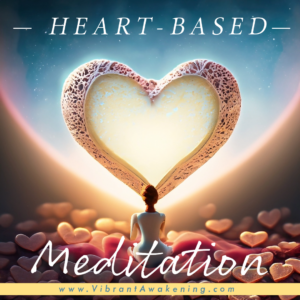
Heart-Based Meditation

What will a heart-based meditation do for you?  It will bring you out of the chaos of your thoughts swirling in your mind.  Concentrating on your heart as a bright white light will center you away from those thoughts and bring you into the now.  Where there is peace and love. 

When you are truly in your heart-space.  Seeing your heart as this bright, warming light, you will naturally feel a smile.  Tell your heart thank you, I love you my heart.  Sometimes this will cause the reaction of tears streaming down your face.  I know it did for me.  It still does from time to time.  Not because I am sad, but because I feel so much love and peace.  They are tears of joy and happiness.  Something I had longed for my entire life.  And it was always there for me to tap into.  I just did not know how.

Taking a step every morning to show your heart love – you will begin to transform your life into something you never thought possible.  I used to think this was all crazy talk.  I am here now to tell you, it is not.  I am a testament to this being possible for you.

The following meditation will get you into your heart-space.  You will feel so much love for yourself.  The quiet will feel blissful.  As with anything you start, it will take practice.  Do this with zero judgement.  There is no right or wrong.  This is your journey. Your beautiful journey.    Take a few moments every day and do this meditation.

Topics

Angel Numbers

Friday I was feeling really sick and while at work, all day, it was Angel numbers. To the point that it was crazy! 1:11, 11:11, 2:22, 3:33, 4:44, 5:55 and then two people I rang up, for some reason their totals stood out. $29.00 and $79.00. There was one day I keep getting even totals. My guides were making sure I was paying attention! Yesterday was 4:44 and 5:55. I am paying attention! Things are going to be changing but my guides and angels are all around me, supporting me.

The run of repeating numbers are them telling me to pay attention. I need to make note of what is coming. What messages I need to listen to. 79 is telling me to get into my heart space. Do what it is I want to do. That is where we should listen to ourselves. From our heart. Not from the confusion and judgements of our minds. 7 is fear not. Its when you are feeling called to do something and not quite sure what it is or how it will work out. Reminds you to be spontaneous and courageious, but also smart and cautious. 9 is telling you something is coming into completion. There have been lessons learned but it is ending. Its ok to be sad but with the 7, it is saying dont be fearful. Now 29, hold on to your purpose! Life can be such a distraction at times, but I need to remember what my ultimate goals are. My purpose. I need to stay on course amist all the noise.

This all makes sense because I was starting to feel overwhelmed and distracted and letting self-doubt creep in. When you open yourself up to what your guides are telling you, your whole world will become simplier to navigate. Life doesn’t get easier, but you will be given nudges on your navigation through it. There is a reason and lesson for everything. There is no good or bad. The question to ask is, what will I learn from this?

I will just breath, put my hands on my heart during a meditation and say, “I have purpose.” Life is good.

Topics

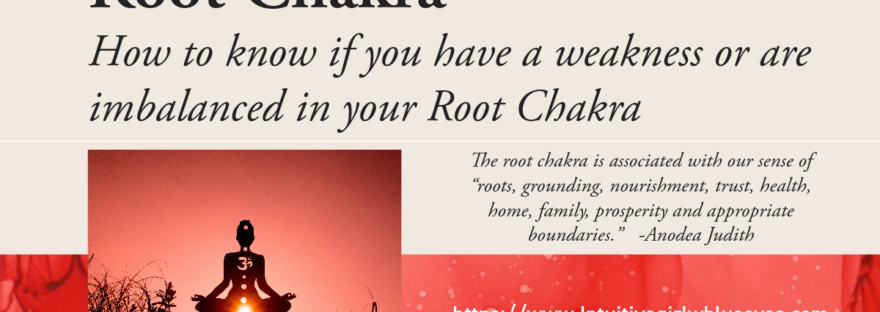
Root Chakra

How do you know if you have a weakness or imbalance with your Root Chakra?

The following signs of a weak or imbalanced root chakra:

  • Disconnection from the body, being ungrounded
  • Knee or feet troubles
  • Underweight, obesity and/or eating disorders
  • Fearful, anxious, restless, can’t settle, phobias, nightmares, psychosis
  • Basic lack of trust, suspicion, keeping guard up
  • Greed, hoarding or financial difficulty
  • Sluggish, lazy, tired
  • Becoming overly dependent on others
  • Poor focus and discipline
  • Poor boundaries or rigid boundaries
  • Chronic disorganization, indecisiveness, easily overwhelmed

What may help you balance and ground?

  • Deepen connection to the natural world
  • Become aware of one’s physicality
  • Avoid premature development of higher energy centers
  • Reconnection with body•Physical activity
  • Touch, massage
  • Hatha yoga
  • Analysis of earliest childhood relationship to mother
  • Reclaiming the right to be here

It is so important to start your journey balancing your first chakra. Grounding will be the solid building block to reaching your goals of becoming happy, healthy, and filled with joy.

General Thoughts

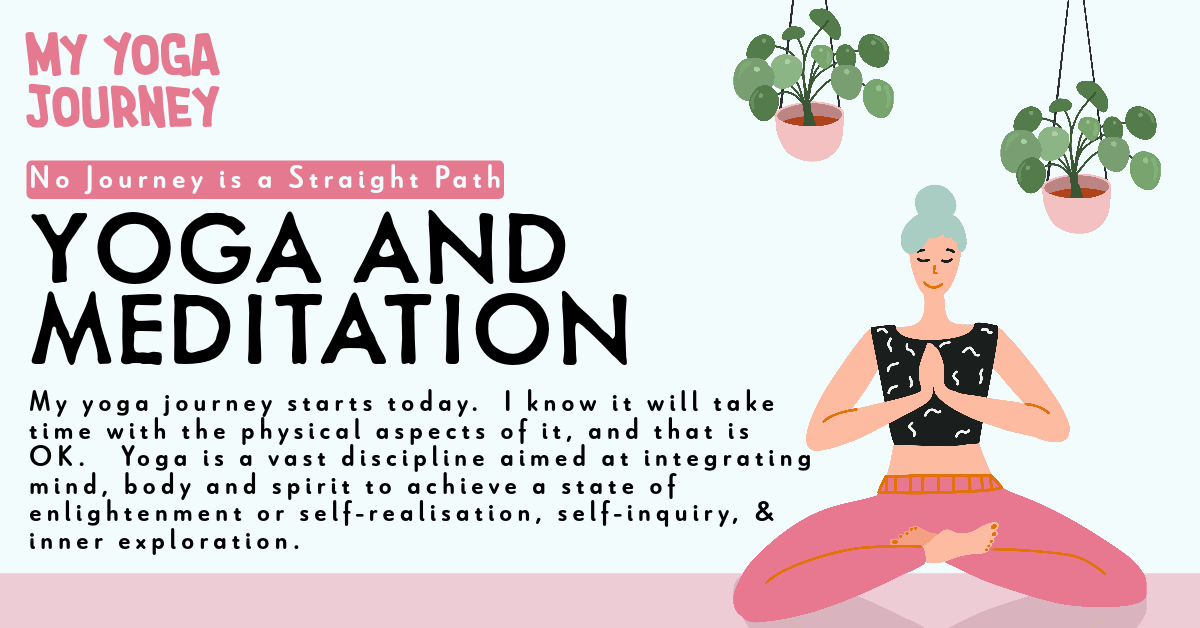
My Yoga Journey

I knew the physical aspects of yoga were going to be challenging. I deal with trauma related aches and pains displaying as lower back pain and arthritis. I also realize I battle with my own self with thoughts that do not serve me. This will be a journey of self-discovery and a lot of inner work. It is a test of my will and determination. I will not give up because I understand the long term benefits both physically, mentally, and spiritually.

Part of my “shadow work” is my desire to finish things quickly. Always feeling I need to hit the finish line now. I believe this comes from being held down not only by others, but by my own false beliefs. These false beliefs came with a very low self-esteem which lead to the act of comparison which of course steals your joy and so my inner work will consist of getting rid of that desire because they only stop me from achieving my own passions and purpose in life.

I have signed up for online courses through Yogamu Institute. I have set goals for myself and will stay the course. I will understand these goals will not happen overnight and they are part of a spiritual journey. I have finished my 100HR Meditation Teacher course so far and working towards my 200HR. In the meantime, I have also began my Yoga courses. (Kundalini is also in my future as these will all work together beautifully.)

This will be my true test by keeping my focus forward, with positivity, joy, and love of self. It has been a hard journey up to now but I can tell you one fact – it has been well worth it!

Be sure to follow me on all my social media accounts to stay up to date and to join me in online live classes in the near future!

General Thoughts

Give up this one word.

If you had to give up one word that you use regularly,
what would it be?

I have already given up this one word because I have learned that saying this word only gives you permission to give up if you fail. I’ve learned that “failure isn’t failure if a lesson from it’s learned.” And yes, I’m using a line from an old Garth Brooks song. That one line changed my thinking so well worth it!

If you take out this one word, you will begin to open up a whole world of possibilities. You will begin to stop limiting yourself and the beliefs you have about what is possible for you. I won’t lie, it is not an easy word to give up, but I do promise you, you will thank me later!

The one word is TRY. Yes, the whole, I will try to make my bed every morning. I will try to eat better. I will try to start exercising. Get the picture? Let us remove that word and change the whole feeling of those sentences. I WILL make my bed every morning. I WILL eat better. I WILL start exercising.

Do you feel the power difference between the two options? I know I do! Let’s start today off with:

I WILL REMOVE “TRY” FROM MY VOCABULARY